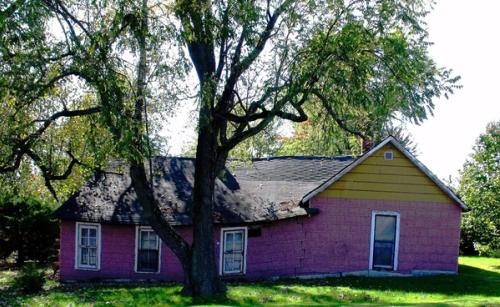
To sell an unsellable house, first figure out why it isn't selling: the price, the condition, the location, or a legal or title problem. Then match the fix to the cause. That might mean pricing to the real market, repairing only what blocks a buyer's loan, marketing to investors, or selling as-is to a cash buyer who doesn't need bank financing.
Almost every house sells at some price. When a house gets called "unsellable," it usually means it can't sell to a buyer using a regular mortgage, at the price the owner wants.
The 6 Options at a Glance:
- Price it to the current market
- Fix only the problems that block financing
- Market it to investors and landlords
- Offer concessions or seller financing
- Sell as-is to a cash buyer
- Sell it for the land value
What Makes a House Unsellable?
A house becomes hard to sell for one of four reasons: it's priced above what buyers will pay, its condition fails a lender's standards, its location shrinks the buyer pool, or a legal or title issue makes a clean sale difficult. Most problem houses have more than one.
Is It Priced Above the Market?
Overpricing is the most common reason a house sits. What you paid, what you owe, or what a neighbor got two years ago doesn't set today's value. Recent comparable sales nearby do.
Price cuts are common right now. As of January 2026, nearly 11% of active listings had been cut at least three times, according to a Realtor.com analysis reported by the National Association of REALTORS.Home Price Cuts Are Growing as Buyers Gain More Negotiating Power
Does it Fail a Lender's Inspection?
This is the problem most sellers miss. If a house has safety or structural defects, most buyers can't get a loan on it, no matter how much they like it. The house isn't unsellable. It's unmortgageable.
- FHA loans require a home to be safe, sound and secure. A failing roof, unsafe wiring, no working heat or poor drainage can stop the loan until repairs are made (Rocket Mortgage).
- Conventional loans follow Fannie Mae rules. A home rated C6, meaning defects severe enough to affect safety, soundness or structural integrity, is not eligible for a Fannie Mae loan until it's repaired (Fannie Mae Selling Guide B4-1.3-06).
Common deal-breakers we see include:
- Foundation movement or major cracks
- A roof near the end of its life or actively leaking
- Outdated or unsafe electrical panels
- No working furnace or water heater
- Active water damage or mold
- Fire damage or missing kitchen and bathroom fixtures
Is the Location Working Against You?
You can't move a house, so a tough location is solved with price and marketing, not repairs. Busy roads, nearby commercial or industrial use, flood zones, and neighborhoods with many vacant homes all shrink the pool of buyers.
The fix is to sell to the buyer who doesn't mind. A landlord cares about rent and cash flow, not the view. A builder cares about the lot.
Are There Legal or Title Problems?
Some houses are physically fine but stuck on paper. Common examples:
- Liens, back taxes or judgments against the property
- Probate or inherited property with several heirs
- Open code violations from the city
- Tenants who won't leave or a lease that runs past closing
- Unpermitted additions or conversions
These usually need a title company or real estate attorney, and some buyers will take them on as part of the deal.
Is My House Really Unsellable?
Your house is probably not unsellable, but it may be unsellable the way you're selling it. If it has sat well past the local average with few showings or no offers, something about the price, condition or buyer pool needs to change.
In the Kansas City metro, the median listing spent 50 days on the market in September 2026, up from 41 days in April (Realtor.com via FRED).
Signs your house needs a new plan:
- It has been listed for twice the local median with no offers
- Showings happen, but buyers don't come back
- Offers fall apart after the inspection or appraisal
- Every agent's feedback mentions the same problem
- You've already cut the price once or twice with no change
How Do You Sell an Unsellable House?
You sell it by changing the price, the condition or the buyer. Here are six ways to do that, from the least change to the biggest.
1. How much should you lower the price?
Lower it enough to match recent comparable sales, not just enough to feel like a cut. Buyers and their agents search in price brackets, so one meaningful reduction usually brings more attention than several small ones.
Ask for a comparative market analysis that uses homes in similar condition, not fully updated ones. A house that needs a new roof should be priced against other houses that need a new roof.
2. Which repairs are worth making before you sell?
Only repair what stops a buyer from getting a loan or what a home inspector will flag as a safety issue. Cosmetic remodels rarely pay back their cost on a problem house.
Worth considering:
- Roof, electrical, heating and plumbing problems that fail FHA or Fannie Mae standards
- Active leaks and the source of any water damage
- Safety items like missing handrails or broken windows and doors
Usually not worth it: new kitchens, new flooring throughout, or upgrades to match your own taste. Get two contractor bids before deciding. If the repairs cost more than the price gain, skip them.
3. Who buys houses nobody else wants?
Investors, landlords, flippers and builders buy houses that regular buyers pass on. They pay with cash or with renovation loans, so the house doesn't have to pass a standard appraisal first.
To reach them, describe the house honestly in the listing. Phrases like "investor special," "needs work" or "sold as-is" filter out buyers who would walk away after the inspection, and bring in the ones looking for a project.
4. Can seller concessions or seller financing help?
Yes. A repair credit at closing can let a buyer fix the problem after they move in, and some loan programs allow it. Seller financing, where you act as the lender, opens the house to buyers who can't qualify for a mortgage.
Seller financing carries real risk if the buyer stops paying. Use a real estate attorney to write the note and handle the paperwork.
5. Should you sell as-is to a cash buyer?
Selling as-is to a cash buyer is often the fastest way to sell a house that fails lender standards. A cash buyer doesn't need an appraisal or loan approval, so the condition that scared off financed buyers doesn't stop the sale.
What you gain:
- No repairs, cleaning or showings
- No agent commission
- A closing date you choose, often in as little as 7 days
- Fewer deals falling apart late in the process
What you give up: a cash offer on a house that needs work will be lower than what a fully repaired house would sell for. Compare it against your real net from listing, after repair costs, commissions, closing costs and the months of taxes, insurance and utilities you'd pay while it sits.
How to tell if a cash buyer is legitimate:
- They give you a written offer with no obligation
- They can show proof of funds
- They close through a licensed local title company
- They don't charge you fees up front
- They have a real local address and verifiable reviews
6. What if the house isn't worth fixing?
Sell it for the land. If repairs would cost more than the finished house is worth, the value is in the lot, and builders and investors will buy it on that basis. See our guide on how to sell a teardown house for more.
Fix It, List It, or Sell As-Is: Which Option Fits?
The right choice depends on how much time and cash you have, and how serious the problems are.
| Option | Timeline | Upfront cost to you | Agent commission | Best for |
|---|---|---|---|---|
| Repair, then list | Months | High (repairs, holding costs) | Yes | Moderate problems, time and cash to spare |
| Price cut and list as-is | Weeks to months | Low | Yes | Fixable problems, price was the main issue |
| Seller financing | Weeks to months | Low | Sometimes | Owners who don't need all the cash now |
| Sell to a cash buyer | As little as 7 days | None | No | Major repairs, inherited homes, tight deadlines |
| Sell for land value | Weeks | None | Sometimes | Teardowns and fire-damaged homes |
Do you have to disclose problems when you sell as-is in Missouri?
Yes. Selling as-is means you won't make repairs, not that you can hide known defects. Missouri's Merchandising Practices Act (Mo. Rev. Stat. § 407.020) prohibits concealing material facts in a home sale (Nolo).
Specific rules Missouri sellers should know:
- Meth production: you must disclose in writing if you know the property was used to make methamphetamine (§ 442.606).
- Lead paint: homes built before 1978 require a federal lead-based paint disclosure.
- Waste sites: known solid waste disposal sites on the property must be disclosed (§ 260.213).
- Psychological impacts: you are not required to disclose that a death, felony or suicide occurred in the home (§ 442.600).
Selling in Kansas City, Kansas? Kansas has its own rules. For anything you're unsure about, ask a local real estate attorney. This article is general information, not legal advice. For more, read what you need to know about selling a house as-is in Missouri.
Frequently Asked Questions
What is the most common reason a house doesn't sell?
An asking price above what comparable homes have sold for. Condition is a close second, especially when problems stop buyers from getting a loan.
What does "unmortgageable" mean?
It means a lender won't approve a loan on the house in its current condition, usually because of safety or structural problems. Unmortgageable houses can still sell to cash buyers or to buyers using renovation loans.
Can you sell a condemned house?
Yes. A condemned house can't be lived in until it's brought up to code, but it can be sold. Buyers are usually investors, builders or cash home buyers who plan to repair or rebuild it.
Can I sell my house as-is without making repairs?
Yes. You can list it as-is with an agent or sell directly to a cash buyer. You still need to disclose known material defects.
Will I get less money if I sell as-is?
Usually the price is lower than a fully repaired home would get. But your net may be closer than it looks once you subtract repairs, commissions, closing costs and the months of holding costs a traditional sale takes.
How fast can a cash buyer close?
Many cash buyers can close in 7 to 14 days, because there's no loan approval or appraisal to wait on. You can also pick a later date if you need time to move.
Get a No-obligation Cash Offer on Your House
If your house has been called unsellable, we'd like to see it. KC Home Buyer Group is a locally owned company with four partners, buying houses in Kansas City since 2015.
- Fill out the form or call us.
- We schedule a quick walkthrough if the house fits what we buy.
- You get a written, no-obligation cash offer.
- We close at a local title company, in as little as 7 days or on your timeline.
Legal Disclaimer
The information on this page is for general informational purposes only and is not legal or tax advice. Real estate law varies by situation and location. Before making decisions about backing out of a home sale contract, speak with a qualified attorney familiar with Missouri and Kansas real estate law. KC Home Buyer Group does not assume responsibility for actions taken based on the content here.

We have bought Kansas City houses for cash since 2015, in every condition and at every stage of every timeline. Fair offers, plain answers, and we will tell you if selling to us is the wrong move.